Description
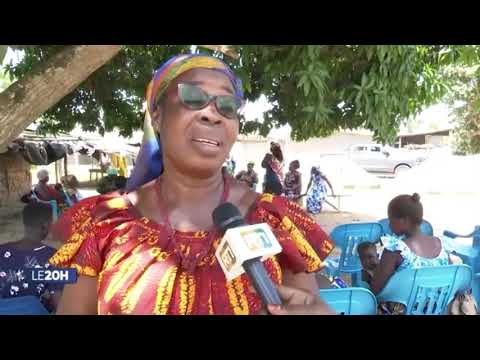
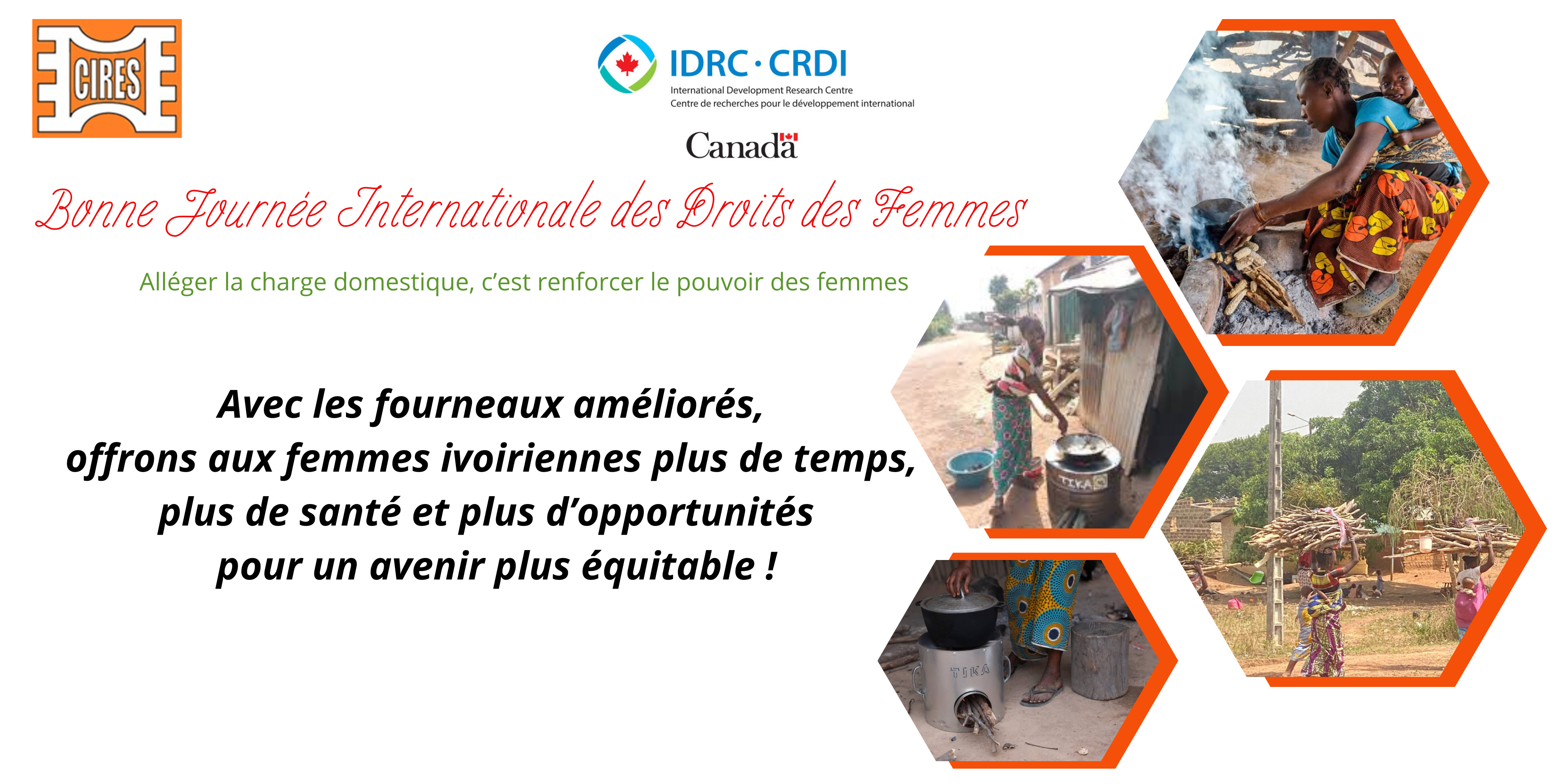
In Côte d'Ivoire, as in most sub-Saharan African countries, the burden of unpaid care work falls disproportionately on women and girls, leaving them with less time for education, leisure, and economic activities. Women generally spend more time cooking, collecting fuel and water, and caring for children, the sick, and the elderly. Rural women are particularly affected by this reality due to the precarious conditions under which unpaid care work is performed. For example, 87% of households rely on firewood for cooking. In addition to the environmental impact, the intensive use of firewood exposes women to harmful smoke, which has serious consequences for their health and well-being.
Dissemination of Clean Solutions
This project aims to generate evidence to promote the scaling up of clean energy technologies and reduce the time women spend on unpaid care work. At the same time, energy-efficient TIKA stoves will reduce households’ carbon footprint. These stoves have already demonstrated significant benefits: they require about 60% less firewood and 40% less charcoal, and save about two hours a day on time spent collecting wood and cooking.
Reducing physical strain and promoting health
The widespread adoption of time-saving technologies can improve women’s living conditions. These technologies have the potential to reduce physical strain and the time spent on unpaid care work, promote women’s health, and limit greenhouse gas emissions. This project will disseminate research findings, provide evidence to inform policy, and explore public-private partnerships to scale up technology.