
Launch Ceremony for the Distribution of Improved Stoves in the Lôh-Djiboua Region
CIRES launches the distribution of TIKA improved stoves in the Lôh-Djiboua region As part of its project titled “Use of the TIKA improved stove to reduce women’s domestic workload in rural Côte d’Ivoire,” funded by the International Development Research Centre...
CIRES launches the distribution of TIKA improved stoves in the Lôh-Djiboua region
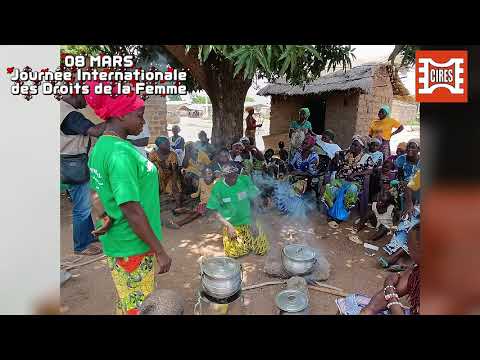
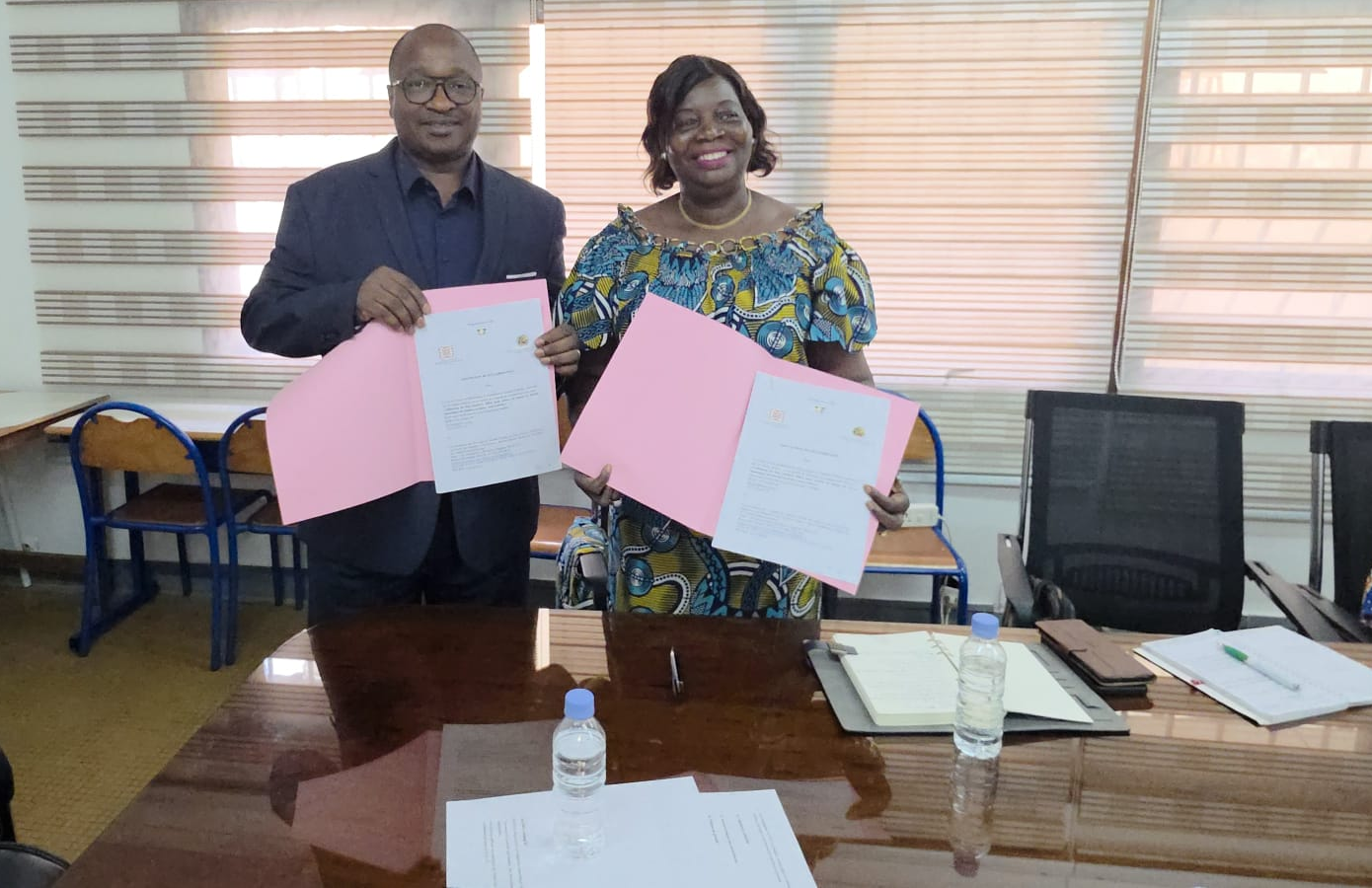
As part of its project titled “Use of the TIKA improved stove to reduce women’s domestic workload in rural Côte d’Ivoire,” funded by the International Development Research Centre (IDRC), the Ivorian Center for Economic and Social Research (CIRES) officially launched the distribution of improved TIKA stoves in the Divo prefecture on Tuesday, August 12, 2025.
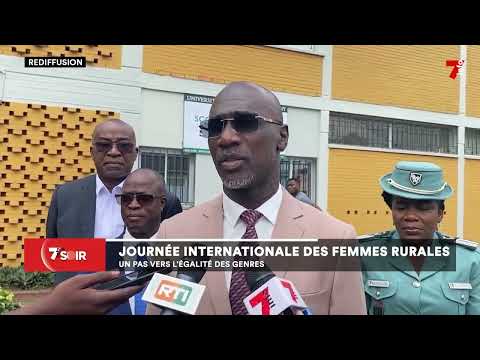
The ceremony was presided over by the regional prefect of Lôh-Djiboua and the department of Divo, and brought together several administrative and community officials, including:
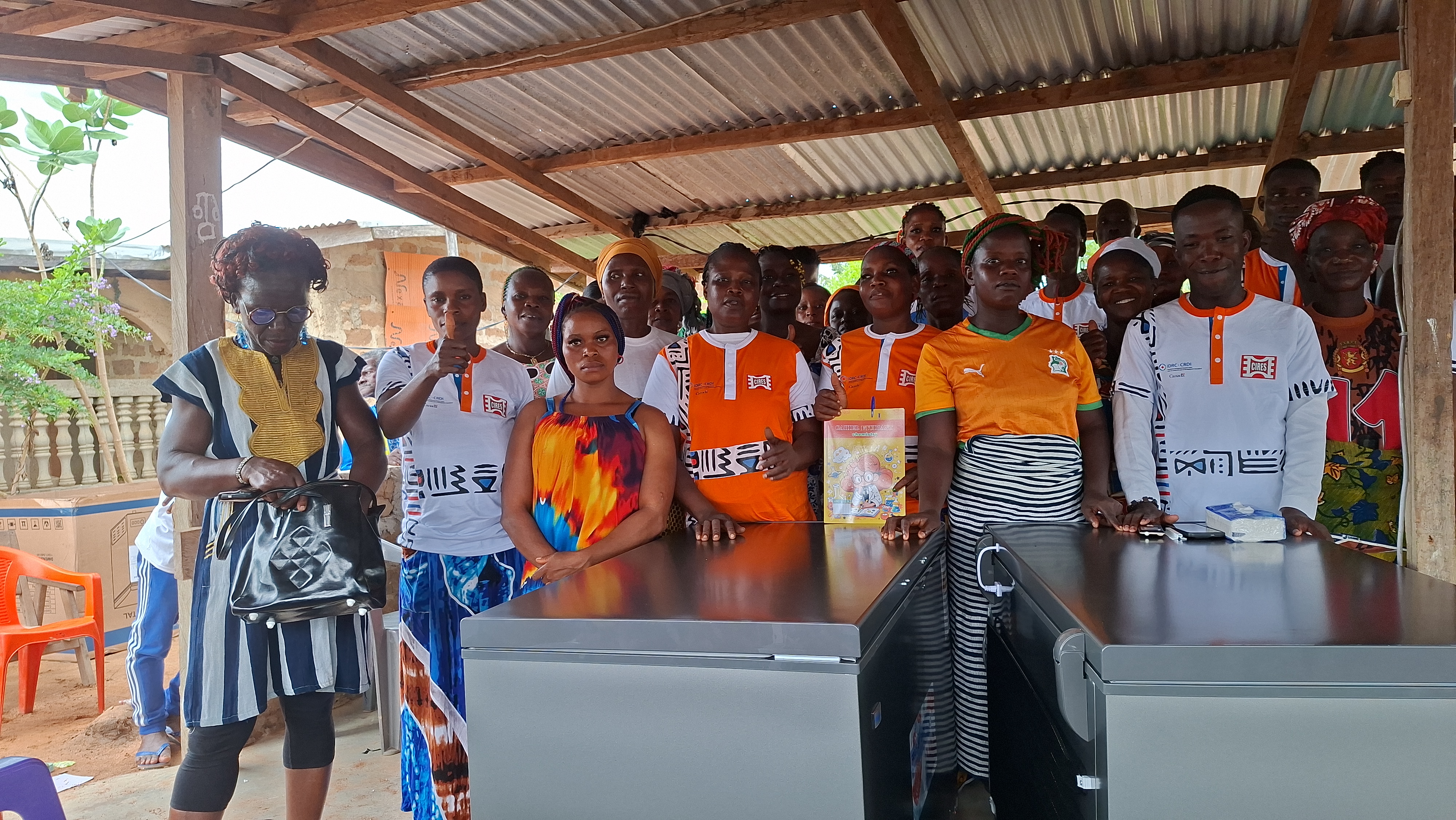
- Dr. Ibrahim DIARRA, Director of CIRES; - Ms. Constance KOUAKOU, Central Sub-Prefect, representing the Regional Prefect; - the representative of the Lôh-Djiboua Regional Council; - as well as traditional leaders and villagers from the beneficiary communities.In total, 500 rural women from villages in four sub-prefectures will benefit from these improved stoves:
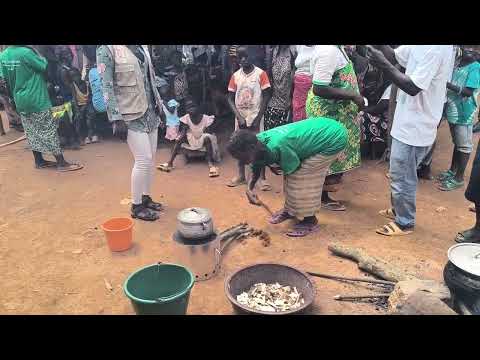
Chiepo (Divo Department), Guitry and Dairo Didizo (Guitry Department), Zikisso (Lakota Department).Implemented by CIRES, this project aims to reduce the domestic workload of rural women by enabling them to cook more quickly and under better sanitary conditions, while limiting their exposure to smoke and contributing to environmental preservation.