
Official Launch Workshop for the TIKA Project
Project launch workshop: “Using the TIKA stove to reduce the domestic workload of women in rural Côte d’Ivoire” Thursday, June 27, 2024, at the Ivotel Hotel, located in Plateau, Abidjan Main facilitator: DIARRA Affou, Project Communications Manager • Participa...
Project launch workshop:
“Using the TIKA stove to reduce the domestic workload of women in rural Côte d’Ivoire” Thursday, June 27, 2024, at the Ivotel Hotel, located in Plateau, Abidjan
Main facilitator: DIARRA Affou, Project Communications Manager
• Participants:
Representatives of the Public Administration
Representatives of NGOs
Representatives of external project partners
Representatives of the private sector
Technical and financial partners
The Ivorian Center for Economic and Social Research (CIRES) has been selected by Canada’s International Development Research Centre (IDRC) to implement a research project on the theme: “Use of the TIKA improved stove to reduce the domestic workload of women in rural Côte d’Ivoire.”
The main objective of the project launch workshop is to officially mark the start of activities. Specifically, it aims to:
- present the project context to stakeholders; - explain the project objectives and expected results; and - specify to stakeholders the contributions the project expects from each of them.
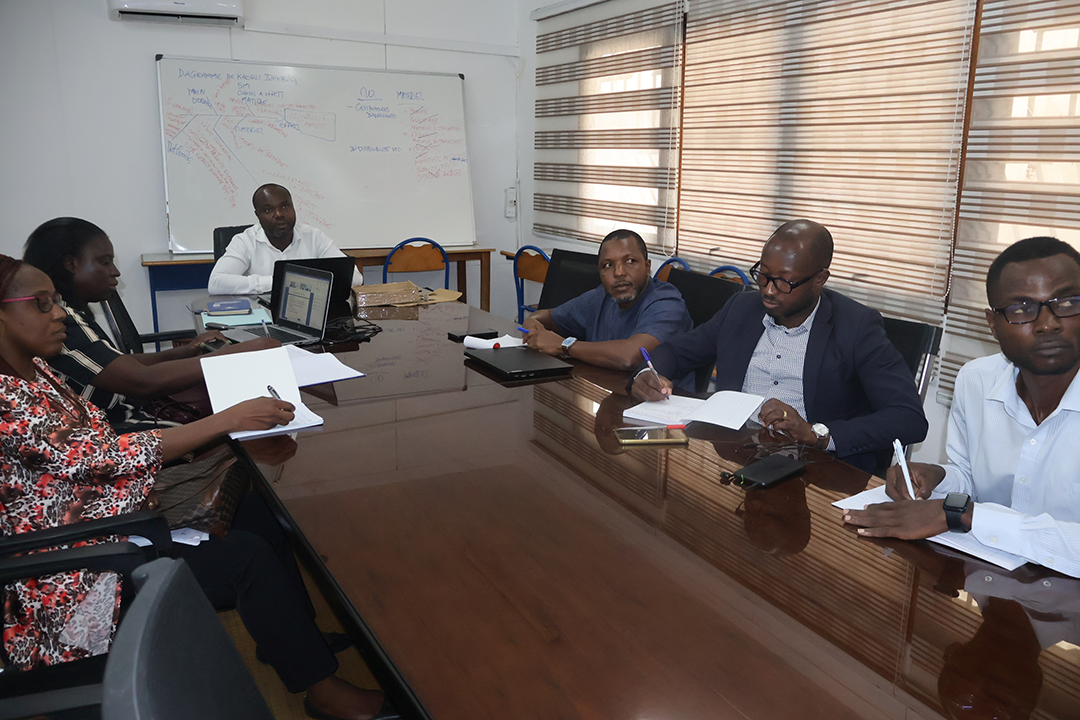
The workshop took place in three stages: 1- opening remarks; 2- the project presentation; and 3- discussions.
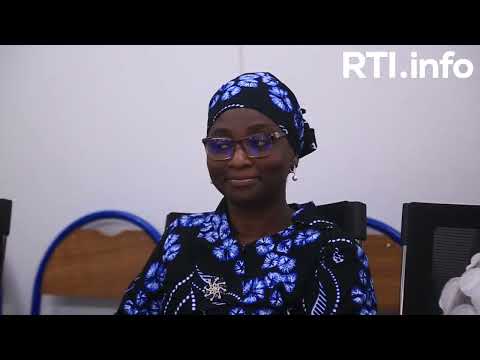
Opening Remarks In his opening remarks, the Director of CIRES, Dr. DIARRA Ibrahim, who is also the project coordinator, welcomed the participants. He thanked them for honoring the workshop with their presence, noting that it is an important event for CIRES, which is committed to raising awareness of the project and its objectives in order to benefit from everyone’s contributions to its success. Following the coordinator, Dr. DIARRA Lacina, Program Officer at IDRC, spoke via videoconference to explain to the audience the importance the Center places on scaling up healthcare innovations in Africa. Given its focus on reducing, recognizing, and redistributing unpaid care, 17 research projects on the subject—including CIRES’s—are being funded under its five-year program.
Project Presentation The second activity of the workshop was the presentation of the TIKA project. In his presentation, Dr. Eugène Kouadio, a researcher at CIRES, first discussed the context and rationale for the project. He then defined the concept of unpaid care and its impact on the well-being of women and girls in Côte d’Ivoire, particularly in rural areas. Third, the presenter outlined the project’s objectives and expected outcomes. He concluded by outlining the contributions that CIRES expects from institutional partners, the private sector, local communities, civil society, and others to ensure the project’s success.
Discussions The presentation was followed by discussions that focused primarily on four points: - the reasons for choosing TIKA technology, its technical characteristics, and how it differs from other clean cooking techniques; - the project’s contribution to promoting employment for young entrepreneurs and for women and girls in rural areas; - the search for solutions to land tenure issues, the production of biochar, and the selection and planting of tree species that are less harmful when used; - collaboration between CIRES and government institutions to discuss contributions to the drafting of documents currently in progress: - Ministry of Mines and Energy - Ministry of the Environment, Sustainable Development, and Ecological Transition - Ministry of Water and Forests
Closing of the workshop Following the discussions, which lasted approximately one hour, the Director of CIRES took the floor to state that the TIKA project represents an opportunity for Côte d’Ivoire. Scaling up the results will contribute to the economic empowerment of women and girls and to the improvement of their living conditions. It will also help reduce the negative environmental impact of traditional cooking practices. That is why this workshop serves as a platform to invite all stakeholders to get involved in the implementation and success of this project. The Project Coordinator concluded his remarks by thanking all participants before closing the workshop. After the group photo, a cocktail reception was served to the guests.